

Breast Cancer & Lymphedema
Understanding the connection between breast cancer treatment and lymphedema — and the compression therapy options that can help.
Breast Cancer and Lymphedema

Breast cancer treatment can sometimes affect the lymphatic system and lead to lymphedema — swelling caused by a buildup of lymphatic fluid when the drainage system is disrupted.
When the lymphatic system is altered by surgery or radiation, fluid movement can slow down. Instead of being transported away, fluid may remain in place and cause swelling in the affected limb or nearby area.
Lymphedema of the arm can occur after surgery or radiation for breast cancer. It may affect both women and men. If left untreated, it can contribute to infections, discomfort, reduced mobility, and other complications — which is why early attention is so important.
Lymph is a thin, clear fluid that circulates through the body to help remove waste, bacteria, and other substances from tissues. The lymphatic system acts like a drainage network, and lymphedema occurs when too much lymph collects in one area. In people treated for breast cancer, it often affects the arm and hand — but it may also affect the breast, underarm, chest, trunk, or back.
Why Does Lymphedema Occur After Breast Cancer Treatment?
During treatment, some patients have lymph nodes removed from under the arm through a sentinel lymph node biopsy or a more extensive axillary lymph node dissection. Surgery and radiation can also damage lymph vessels and nodes, making it harder for fluid to move normally through the body.
The more lymph nodes and vessels that are affected, the greater the chance that fluid transport will be impaired. This is why some patients develop lymphedema weeks, months, or even years after their initial treatment.
October is Breast Cancer Awareness Month
Women's Health and Cancer Rights Act (1998)
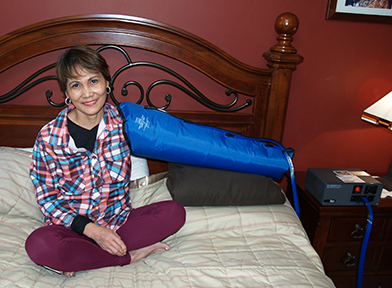
For women who have experienced breast cancer, October is a meaningful time to remember the Women's Health and Cancer Rights Act. Passed in 1998, this law gives women important protections related to breast cancer care. Plans that cover mastectomy must also cover:
- Reconstruction of the breast on which the mastectomy has been performed
- Surgery and reconstruction of the other breast to produce a symmetrical appearance
- Prostheses at the site of the surgery
- Treatment of physical complications of all stages of mastectomy, including lymphedema
This law can be useful when an insurance company tries to deny treatment for complications related to breast cancer — including situations where private insurance attempts to deny a lymphedema compression pump. Medicare may apply different rules, so patients should verify current coverage details with their provider or plan.
Protect your rights — read the full studies & press releases